The Planily Blog
Research, thinking and honest conversations about the invisible work of family life.
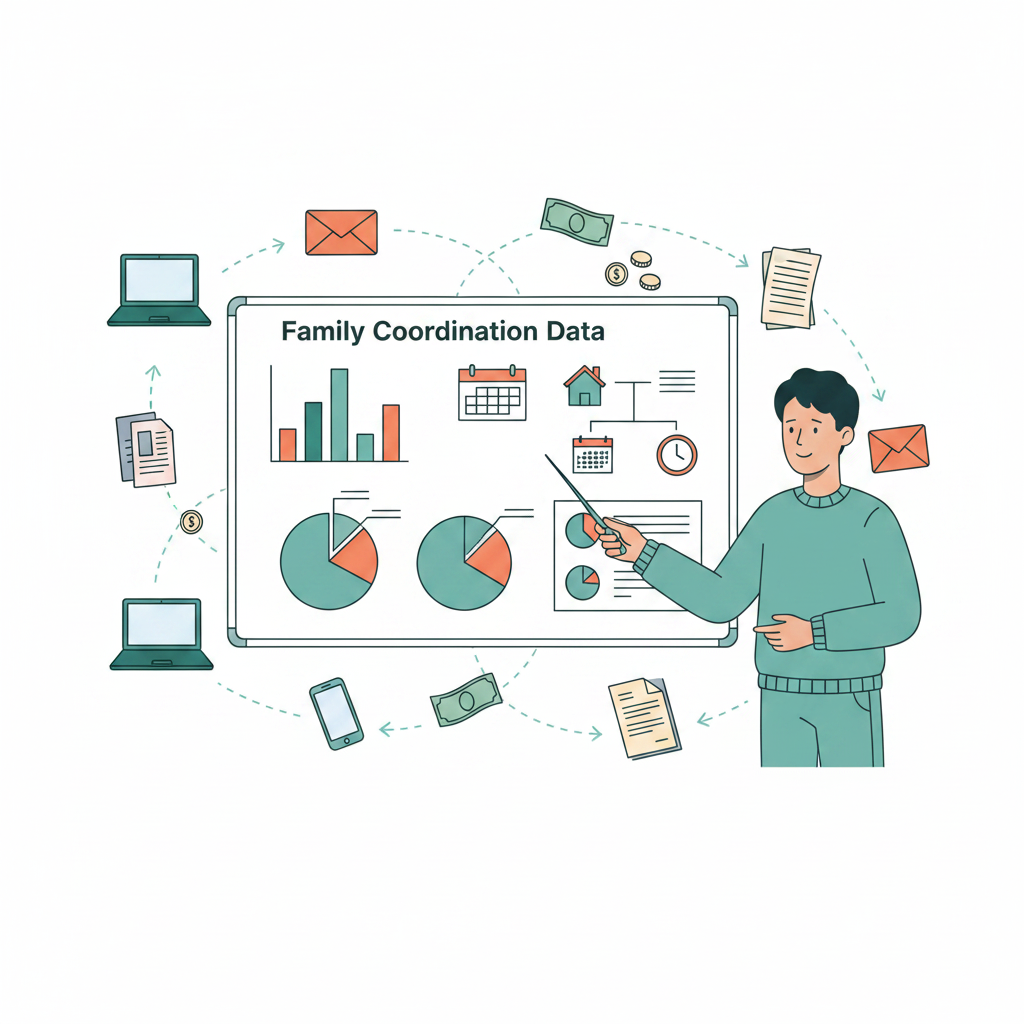
The Hidden Weight: What We Learned From Collaborating With the University of Nottingham
A STEM research team from the University of Nottingham investigated the reality of mental load in UK family life and what it means for how Planily is designed.
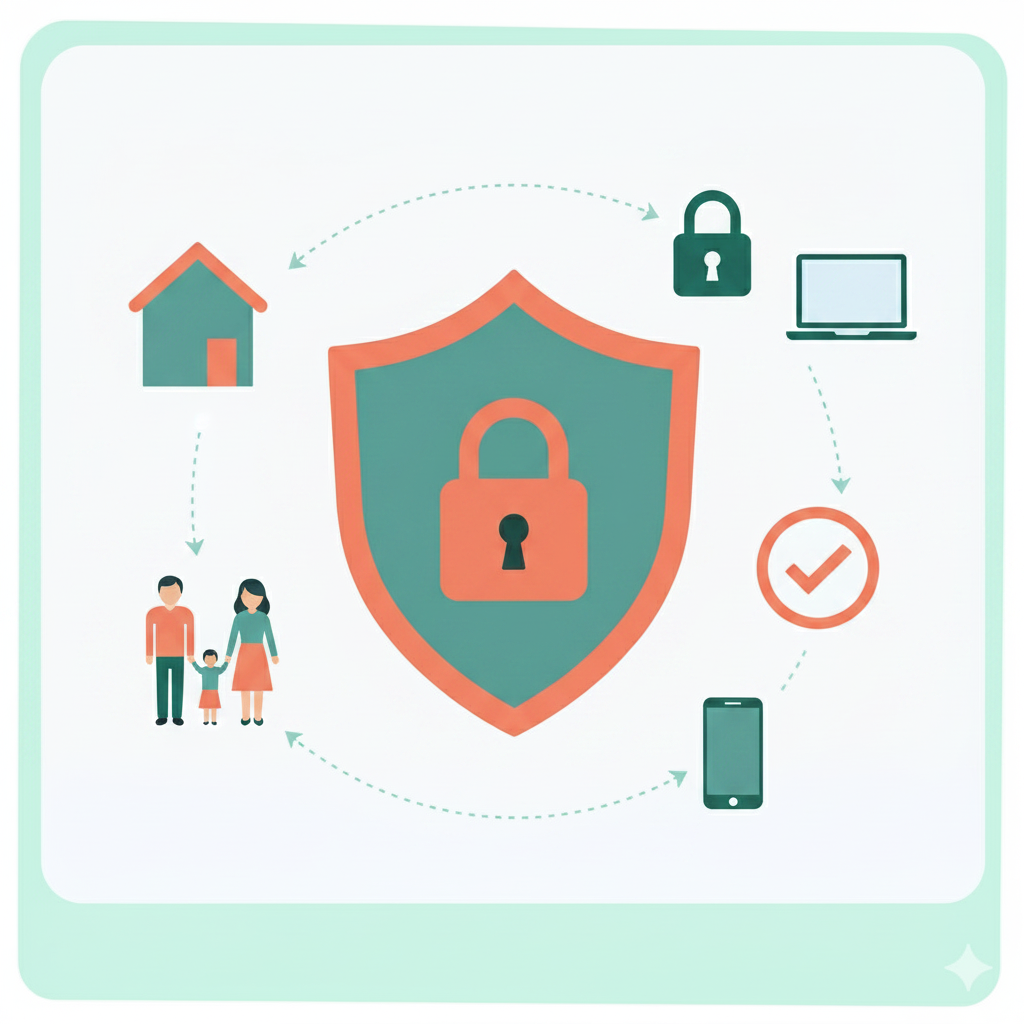
Privacy by Design: How Planily Protects Your Family's Data
Planily was built by a cyber-security professional with privacy as a foundation, not an afterthought. Here is exactly how your family's data is protected.

Inside the Brain of the Default Parent
The default parent isn't just busy — they carry the full picture of family life at all times. Research confirms what so many parents already feel: this load is real, it's boundaryless, and it doesn't go away when you leave the house.

I Want to Help, But I Can't See the Load: A Partner's Perspective
Both partners are often telling the truth — one feels overwhelmed, the other feels like they're pulling their weight. The problem isn't effort. It's visibility. Here's what the research says about changing that.
The Data Behind Mental Load: What the Numbers Say About UK Families
From ONS time-use surveys to Planily's own pilot data — the numbers paint a clear picture of who is carrying household coordination in the UK, and how much it costs them.
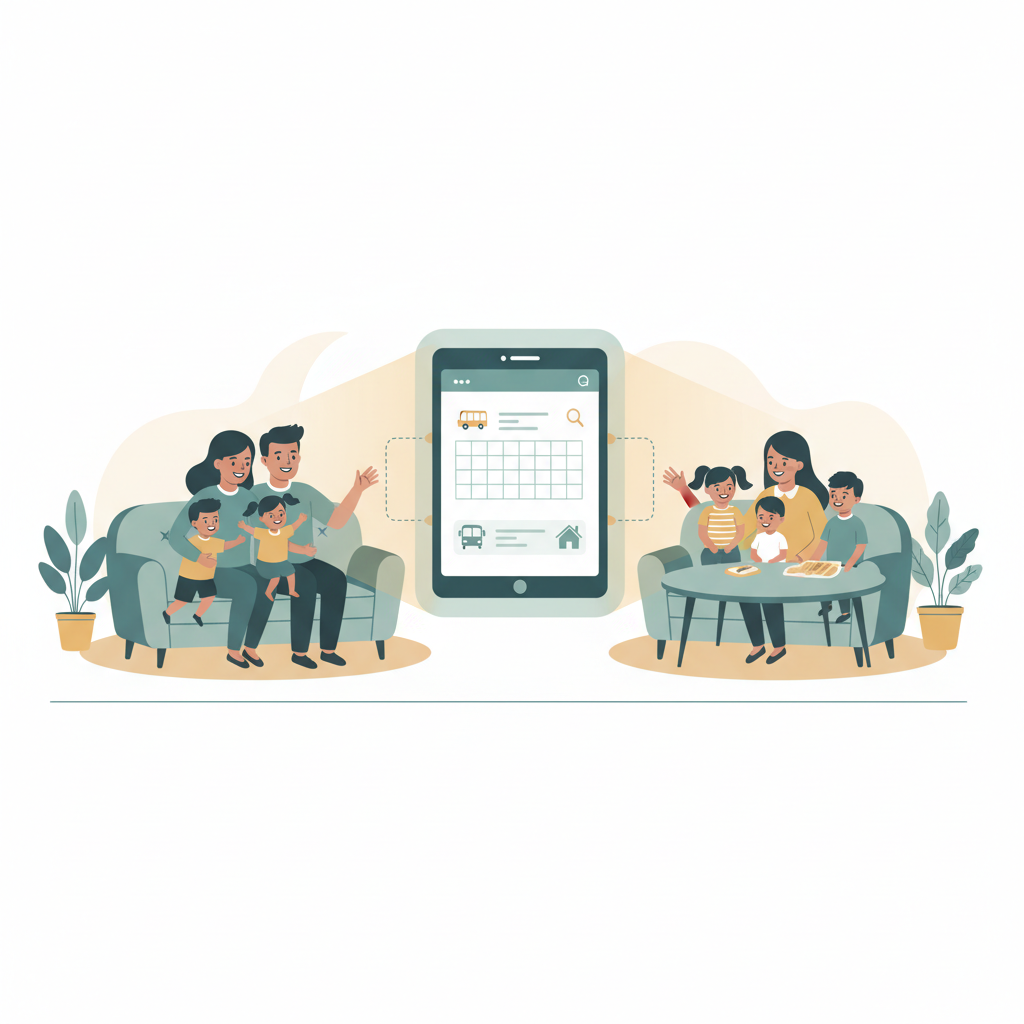
Why No Existing App Actually Solves the Mental Load Problem
WhatsApp, Google Calendar, Cozi, FamilyWall — families have tried them all. But most tools store information without reducing the thinking required to produce it. Here's the gap they all leave.

Who We Had in Mind When We Designed Planily
Planily wasn't built for a narrow idea of what a family looks like. It was built for dual-income households, co-parents, blended families, multigenerational homes, and families with children who have additional needs.

What 'Mental Load' Really Means (And Why It's Not the Same as Being Busy)
Mental load isn't just stress about chores. It's the relentless cognitive work of keeping a household running — anticipating, deciding, monitoring — and it never fully switches off.

Why One Parent Ends Up Carrying the Whole Family in Their Head
If both partners feel involved, why does the mental load still fall on one person? The answer is structural — rooted in gender norms, visibility gaps, and a persistent imbalance the data makes hard to ignore.